Gallbladder Mucocele in Canine
Medical History
Breed: Pomeranian
Age: 4 years old
Gender: Male(neutered)
Ultrasound Findings
The gallbladder appeared moderately distended.
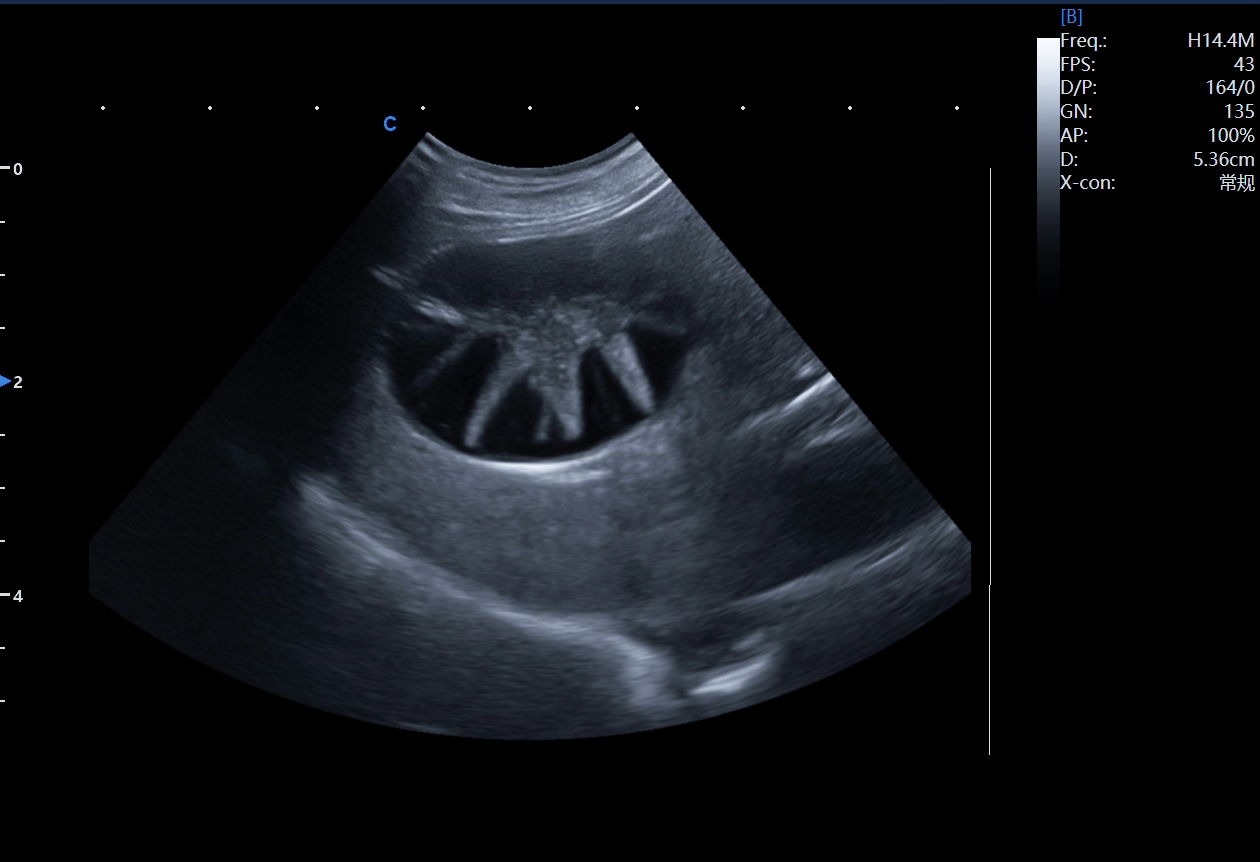
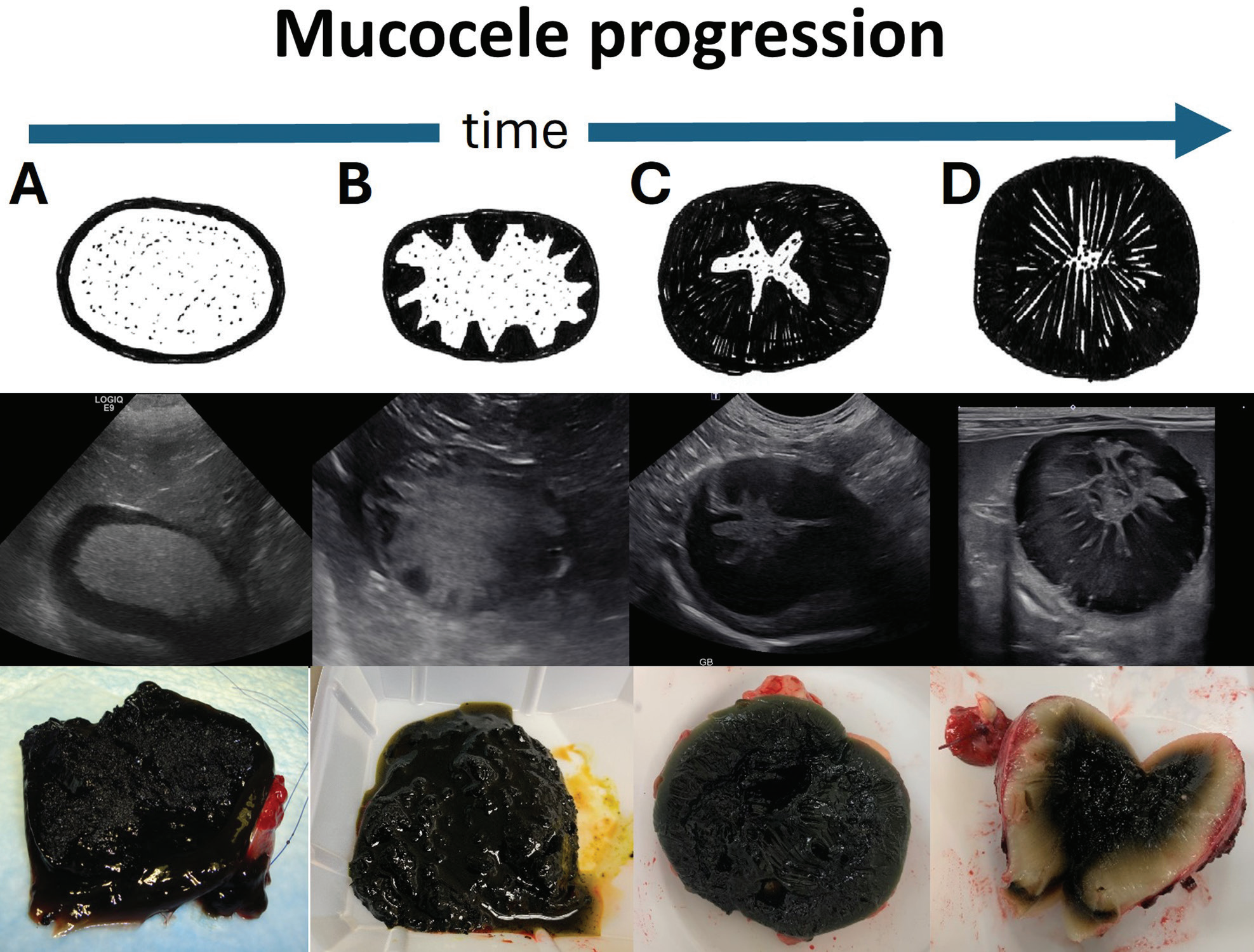
A radiating echogenic structure was observed within the lumen, forming a “stellate pattern”.
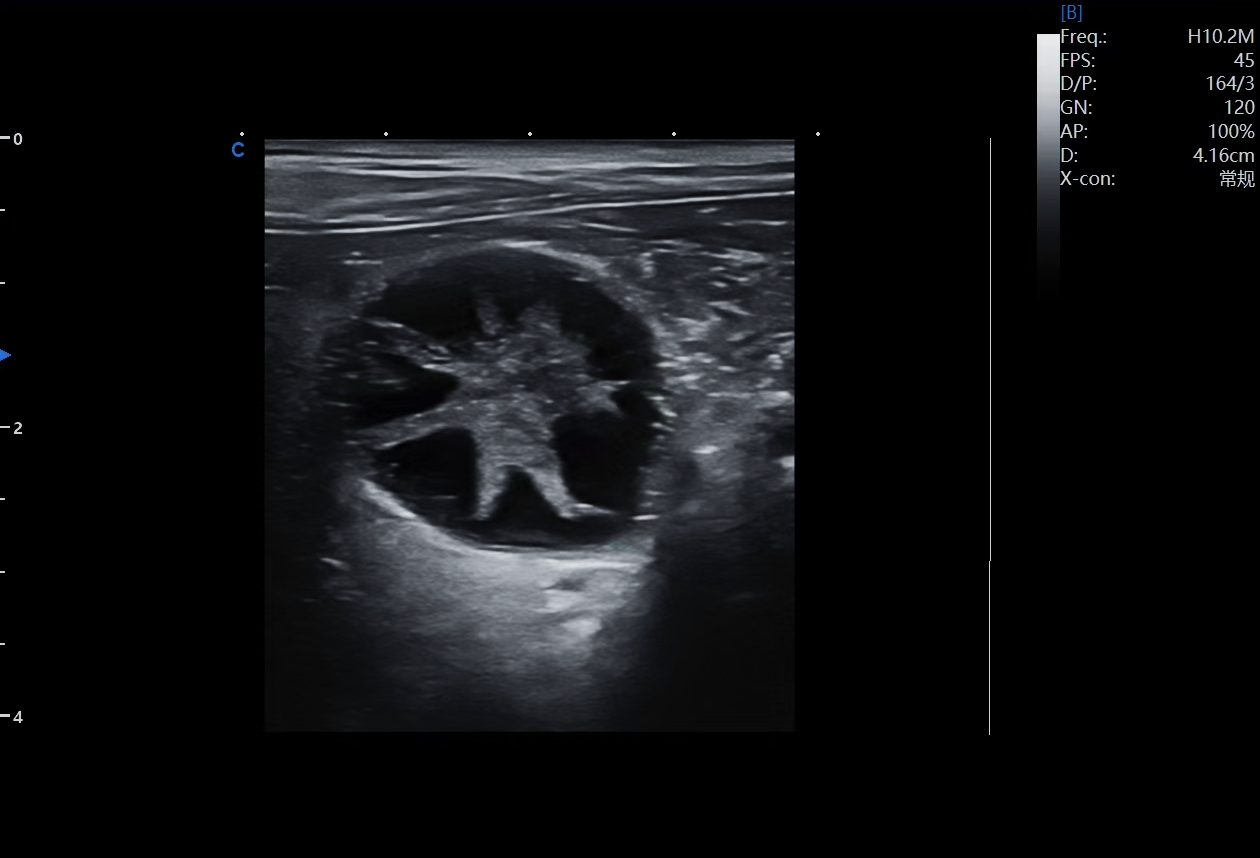
No signs of gallbladder wall thickening, perforation, or pericholecystic fluid were noted.
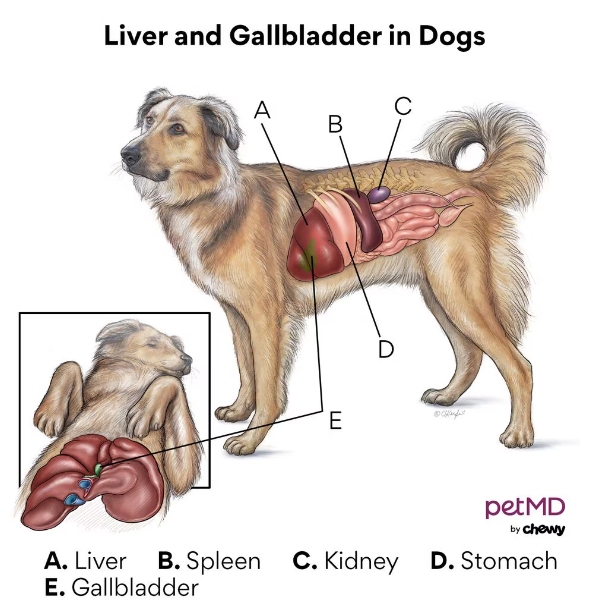
What Is the gallbladder
The gallbladder is a small organ that stores and concentrates bile produced by theliver. Bile helps emulsify fats during digestion.
What Is a GBM?
A GBM isan abnormal accumulation of thick, gelatinousmucus within the gallbladder, leading to its distension and oftenobstructing bile outflow.
While theexact pathogenesis is unclear, multiple factors are associated:
Endocrine diseases, such as Cushing’s syndrome or hypothyroidism
Hyperlipidemia
Gallbladder dysmotility
Genetic predisposition
Which Dogs Are at Risk?
GBM is more common in purebred dogs, especially:
Miniature Schnauzers
Shetland Sheepdogs
Border Terriers
Beagles
Why Is It Dangerous?
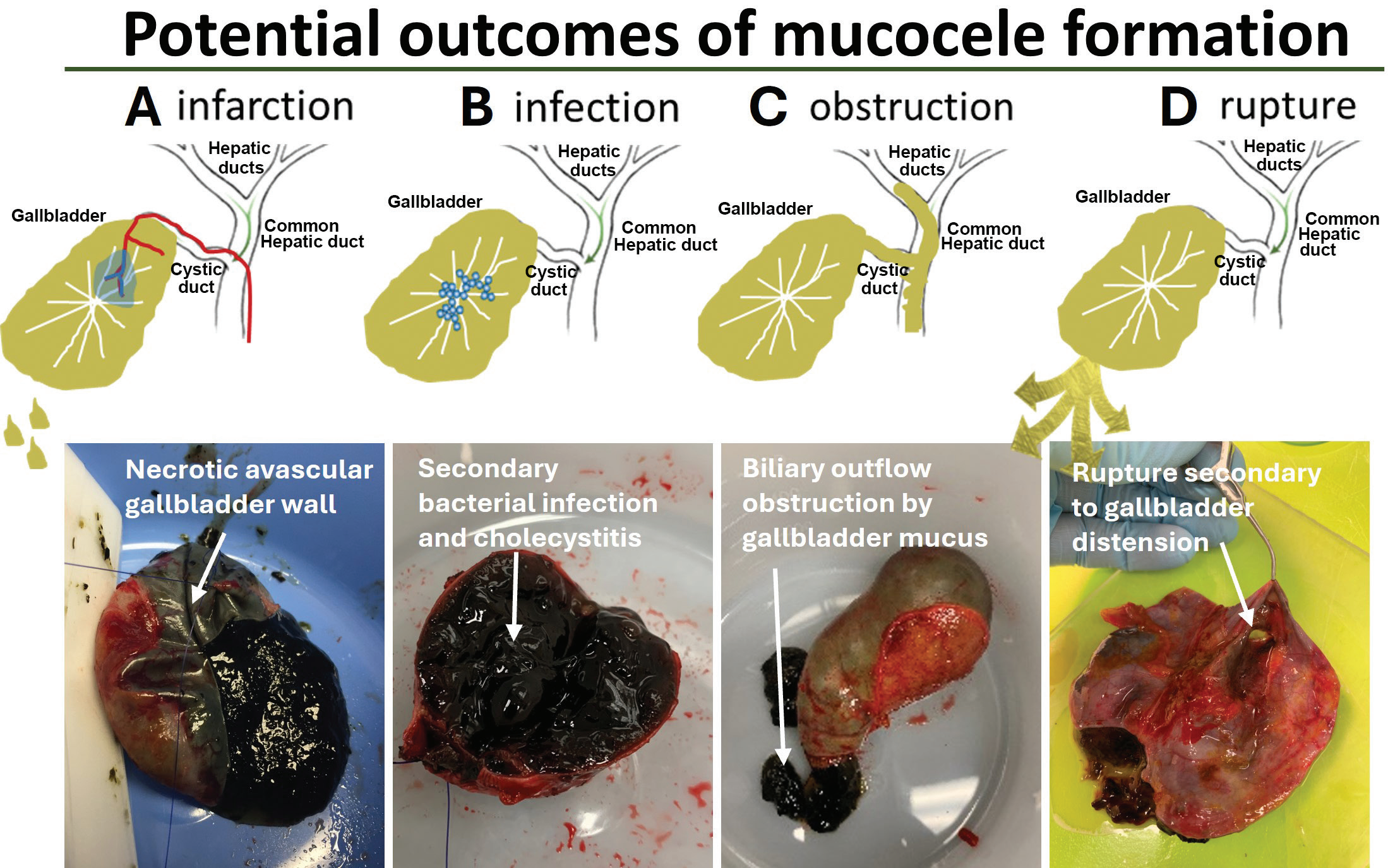
Left untreated, a GBM can lead to:
Aseptic or septic cholecystitis
Gallbladder wall necrosis
Gallbladder rupture, causing bile peritonitis
Systemic Inflammatory Response Syndrome (SIRS)
Early-stage GBMs may be asymptomatic, making imaging-based screening vital in at-risk dogs.
Disease Progression Under Ultrasound
Early Stage: Mild mucin attachment to the gallbladder wall
Immature Stage: Mucosal ridges projecting inward
Mature Stage: Nearly complete obstruction of the lumen by mucin
Overmature Stage: Dense, radiating echogenic streaks throughout the gallbladder
These changes are easily tracked over time using high-quality ultrasound, guiding decisions between conservative management and surgical intervention.
Gallbladder mucocele is a seriousbut often silent threat to canine health.
Ultrasound imaging plays a central role in both early detection and ongoing assessment, helping clinicians visualize patterns like the stellate sign before life-threateningcomplications arise.
With advanced imaging technologies, CHISON VET is committed to empoweringveterinary professionals with clarity, precision, and care—supporting animal health, one scan at a time.
While theexact pathogenesis is unclear, multiple factors are associated:
Endocrine diseases, such as Cushing’s syndrome or hypothyroidism
Hyperlipidemia
Gallbladder dysmotility
Genetic predisposition